EN
EN



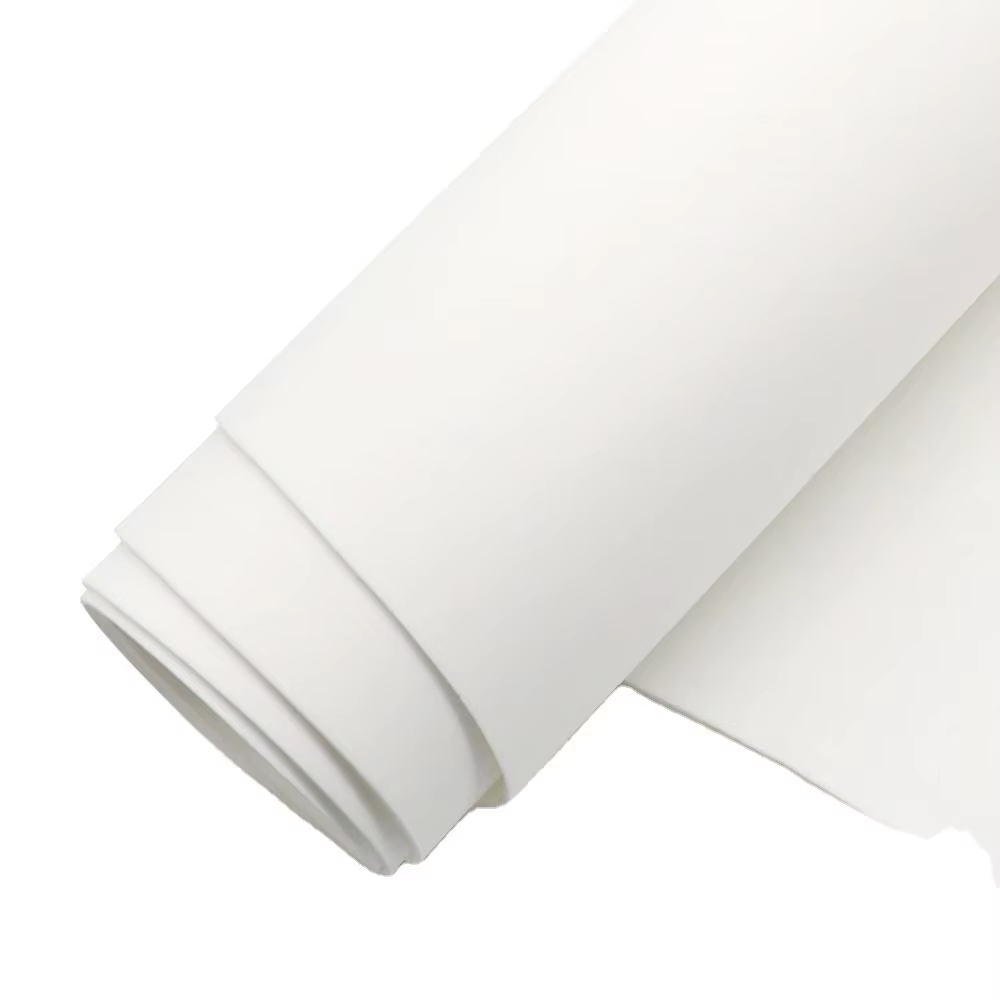
Differences Between High Density and Low Density EVA Foam in Industrial Applications
Navigating raw material selection for manufacturing operations often brings engineering teams to a fundamental crossroad when choosing between high density and low density ethylene-vinyl acetate configurations. Across decades of hands-on material formulation and factory floor integration, observing how these distinct polymer variations behave under real-world mechanical stress reveals clear performance boundaries. Ethylene-vinyl acetate compound adapts flexibly to countless industrial demands, yet success relies entirely on matching the correct cellular structure to the intended physical environment. Understanding these core differences ensures that international procurement specialists select exact polymer grades without encountering unexpected performance variations during large-scale production cycles across competitive global markets.
Molecular Structure and Density Characteristics
The fundamental divergence between high density and low density configurations originates directly from the cellular configuration established during compounding, foaming, and thermal expansion phases. Low density foam incorporates a more expansive cellular volume characterized by thin cell walls, which yields a softer touch, greater flexibility, and superior compressibility under light pressure. Conversely, high density variants feature a tightly packed, closely cross-linked matrix that restricts cellular movement under mechanical load. Material scientists measure this variation through Shore hardness scales and specific gravity metrics to establish exact grade classifications. Firefox optimizes both structural categories by carefully controlling polymer ratios, blowing agent concentrations, and temperature profiles, ensuring that each density tier maintains uniform physical consistency across large production batches and diverse operational requirements.
Mechanical Resilience and Load Bearing Behavior
When evaluating mechanical performance under continuous stress, density plays a decisive role in structural longevity and impact absorption. Low density foam excels in scenarios requiring immediate energy absorption, flexibility, and rapid recovery following light impacts. Because of its compliant matrix, it yields smoothly under pressure before returning entirely to its original shape, making it ideal for ergonomic cushioning and shock-dampening components. On the other hand, high density foam is engineered to resist deformation under heavy continuous loads. It maintains its structural boundary even when subjected to intense compressive forces over extended durations. Engineers frequently specify these denser grades when structural stability and minimal thickness reduction under pressure are paramount for maintaining long-term assembly alignment in complex mechanical configurations.
Thermal Insulation and Environmental Resistance
Environmental exposure presents unique challenges for polymer components utilized across international markets and diverse geographic regions. Both structural tiers inherit the inherent moisture resistance characteristic of closed-cell plastics, meaning liquids and airborne humidity remain on the outer surface rather than penetrating the core structure. However, thermal insulation properties vary notably between the two formulations. The larger trapped air pockets within low density foam enhance thermal resistance, making it an effective barrier against temperature transfer. Meanwhile, high density variants offer superior resistance to puncture, tearing, and abrasive wear due to their compact polymer walls. Firefox implements rigorous laboratory testing protocols to evaluate these environmental responses, ensuring that international clients receive materials capable of withstanding demanding operational climates and exposure conditions.
Processing Flexibility and Manufacturing Integration
From a manufacturing perspective, the choice between high density and low density material directly influences downstream fabrication workflows, including die-cutting, thermoforming, lamination, and computer numerical control routing. Low density sheets offer exceptional pliability, allowing for effortless shaping, skiving, and bonding during assembly. High density foam requires slightly more robust machinery for precise cutting and milling, but it rewards manufacturers by holding crisp edges, complex geometric contours, and intricate molded details without sagging. This structural rigidity simplifies handling during high-volume industrial processing. Firefox leverages decades of polymer processing expertise to assist global partners in selecting grades that align seamlessly with their specific fabrication techniques and production line speeds.
Strategic Selection for Long-Term Value
Choosing the appropriate foam density is a critical engineering decision that dictates both product performance and overall material viability. Selecting an overly soft material in a load-bearing environment leads to premature structural failure, whereas utilizing an excessively rigid compound where cushioning is required compromises user comfort. By partnering with an experienced manufacturer that maintains comprehensive quality control and deep material knowledge, enterprises can eliminate guesswork from material procurement. Firefox operates as an integrated industry leader, bridging advanced polymer research with reliable, multi-continental supply chain execution. For global brands seeking consistency, technical clarity, and uncompromised quality, collaborating with an established specialist ensures enduring success across competitive international markets.
Table of Contents
- Differences Between High Density and Low Density EVA Foam in Industrial Applications
- Molecular Structure and Density Characteristics
- Mechanical Resilience and Load Bearing Behavior
- Thermal Insulation and Environmental Resistance
- Processing Flexibility and Manufacturing Integration
- Strategic Selection for Long-Term Value