EN
EN



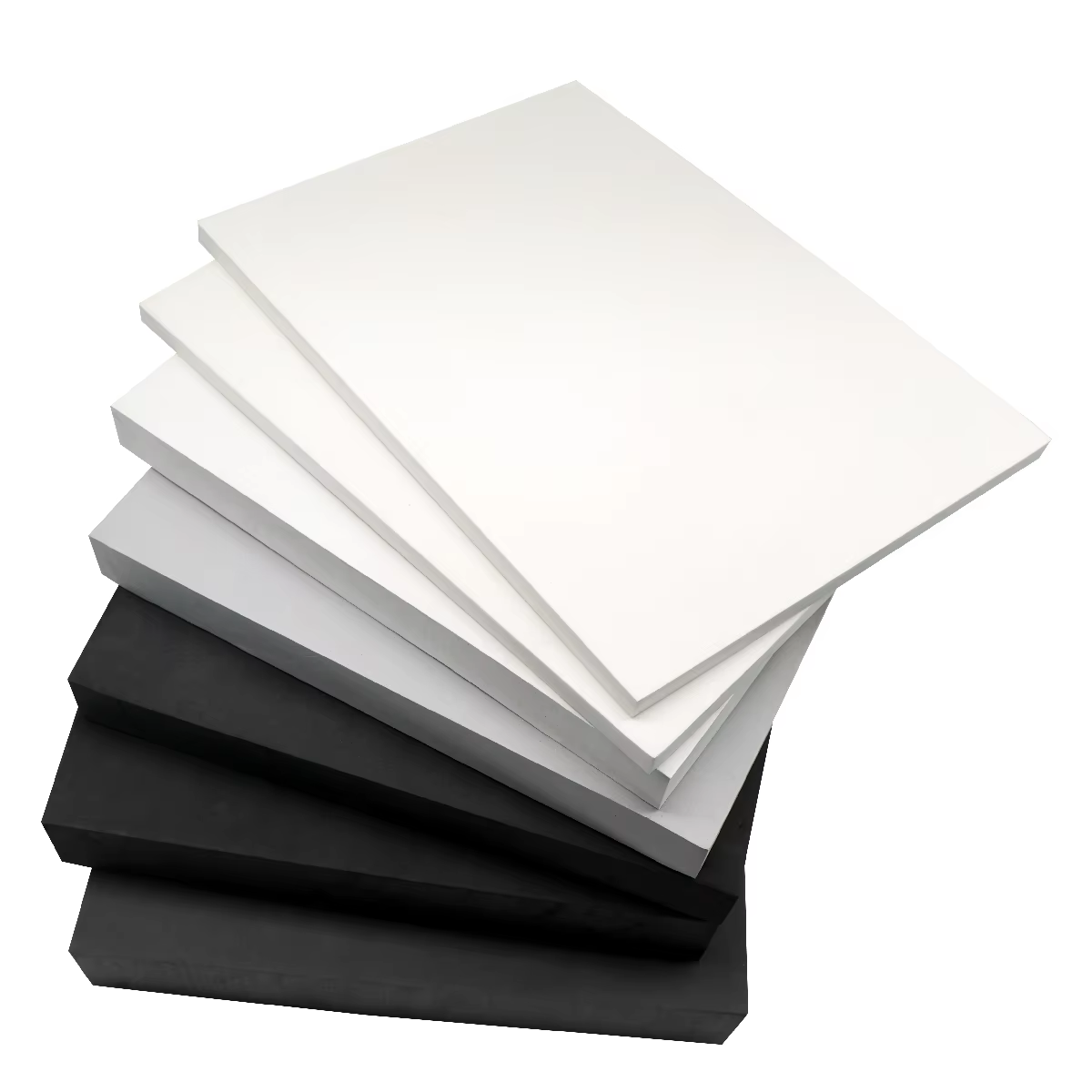
Understanding the Role of EPDM Foam in Weatherstripping
Weatherstripping materials are widely used in doors, windows, industrial enclosures, vehicles, and construction systems to help block air, moisture, dust, and noise. In many of these applications, material performance directly affects energy efficiency, durability, and long-term sealing reliability. Based on practical experience reviewing sealing applications in both commercial and industrial environments, choosing the right foam material is one of the most important factors in effective weatherstripping design.
Among various sealing materials, EPDM foam is commonly selected because of its balanced performance in outdoor and changing environmental conditions. EPDM, short for Ethylene Propylene Diene Monomer, is a synthetic rubber material known for its resistance to weather, ozone, moisture, and temperature fluctuations. These characteristics make EPDM foam particularly suitable for weatherstripping systems that are exposed to long-term outdoor use.
Unlike some traditional foam materials that may harden, crack, or lose flexibility over time, EPDM foam is designed to maintain stable sealing performance under demanding conditions. This is one of the main reasons why EPDM foam continues to be widely used across construction, automotive, and industrial applications.
EPDM Foam Provides Excellent Weather Resistance
One of the biggest advantages of EPDM foam in weatherstripping applications is its strong resistance to environmental exposure. In outdoor conditions, sealing materials are constantly affected by sunlight, rain, humidity, ozone, and changing temperatures. Materials that cannot tolerate these conditions may degrade quickly and lose their sealing effectiveness.
In one facility maintenance project I reviewed, older sealing strips installed around exterior equipment doors began cracking after several years of UV and moisture exposure. After replacement with EPDM foam weatherstripping, the sealing performance remained stable even after extended outdoor use. This type of long-term durability is especially important in environments where maintenance access is limited or replacement costs are high.
EPDM foam is also known for maintaining flexibility across a wide range of environmental conditions. This flexibility helps the material conform to uneven surfaces and maintain reliable contact pressure, which improves sealing efficiency over time.
Flexible Structure Helps Improve Sealing Performance
Another reason EPDM foam is widely used for weatherstripping is its cellular foam structure. The material is designed to compress under pressure and recover after release, allowing it to create an effective seal between surfaces.
From a practical engineering perspective, this flexibility is critical in applications where doors, panels, or windows are frequently opened and closed. Materials with poor recovery characteristics may permanently deform over time, reducing sealing effectiveness. EPDM foam generally provides stable compression recovery, helping maintain performance during long-term use.
This sealing ability can help reduce air leakage, moisture penetration, dust intrusion, and vibration transfer. In commercial buildings and transportation equipment, proper weatherstripping can also contribute to improved indoor comfort and energy efficiency.
Compared with some rigid sealing materials, EPDM foam is often easier to install because it can adapt to slight surface irregularities. This makes it a practical option for manufacturers and installers working with different equipment or structural designs.
EPDM Foam Performs Well in Moisture and Temperature Changes
Environmental changes are one of the main challenges in weatherstripping systems. Temperature shifts can cause expansion and contraction in surrounding materials, while moisture exposure may affect long-term durability. For this reason, weatherstripping materials must remain stable under changing conditions.
One of the reasons many manufacturers choose EPDM foam is its ability to resist water absorption and maintain stable physical properties over time. In humid or rainy environments, this resistance helps prevent material breakdown and sealing failure.
EPDM foam also performs reliably in both hot and cold environments. In practical outdoor applications, the material is often exposed to seasonal weather changes without significant loss of flexibility. This makes EPDM foam suitable for doors, windows, HVAC systems, industrial cabinets, and transportation applications where environmental stability is important.
Manufacturers specializing in foam materials, such as those featured on eva-foam.com, typically provide EPDM foam solutions developed for sealing and insulation applications where durability and weather resistance are key requirements.
Cost Efficiency and Long-Term Reliability of EPDM Foam
In addition to performance advantages, EPDM foam is also valued for its balance between cost efficiency and long-term reliability. While some high-performance materials may offer specialized characteristics, EPDM foam is often selected because it provides dependable sealing performance without excessive material cost.
For buyers and facility managers, long-term maintenance is an important consideration. Weatherstripping materials that fail prematurely can lead to increased repair costs, energy loss, and operational downtime. Because EPDM foam maintains flexibility and weather resistance over time, it can help reduce the frequency of replacement in many applications.
This long-term reliability makes EPDM foam a practical solution for both industrial and commercial weatherstripping systems. When properly selected and installed, the material can provide consistent sealing performance for years under normal operating conditions.
Why EPDM Foam Remains a Preferred Choice for Weatherstripping
Overall, EPDM foam remains one of the most widely used materials for weatherstripping because it combines flexibility, environmental resistance, durability, and practical sealing performance. Its ability to withstand outdoor exposure while maintaining reliable compression recovery makes it suitable for a wide range of applications.
For businesses and manufacturers, choosing EPDM foam can improve long-term sealing reliability while supporting energy efficiency and equipment protection. Although material selection should always depend on the specific operating environment, EPDM foam continues to be a dependable and cost-effective solution for modern weatherstripping systems.
Table of Contents
- Understanding the Role of EPDM Foam in Weatherstripping
- EPDM Foam Provides Excellent Weather Resistance
- Flexible Structure Helps Improve Sealing Performance
- EPDM Foam Performs Well in Moisture and Temperature Changes
- Cost Efficiency and Long-Term Reliability of EPDM Foam
- Why EPDM Foam Remains a Preferred Choice for Weatherstripping