EN
EN



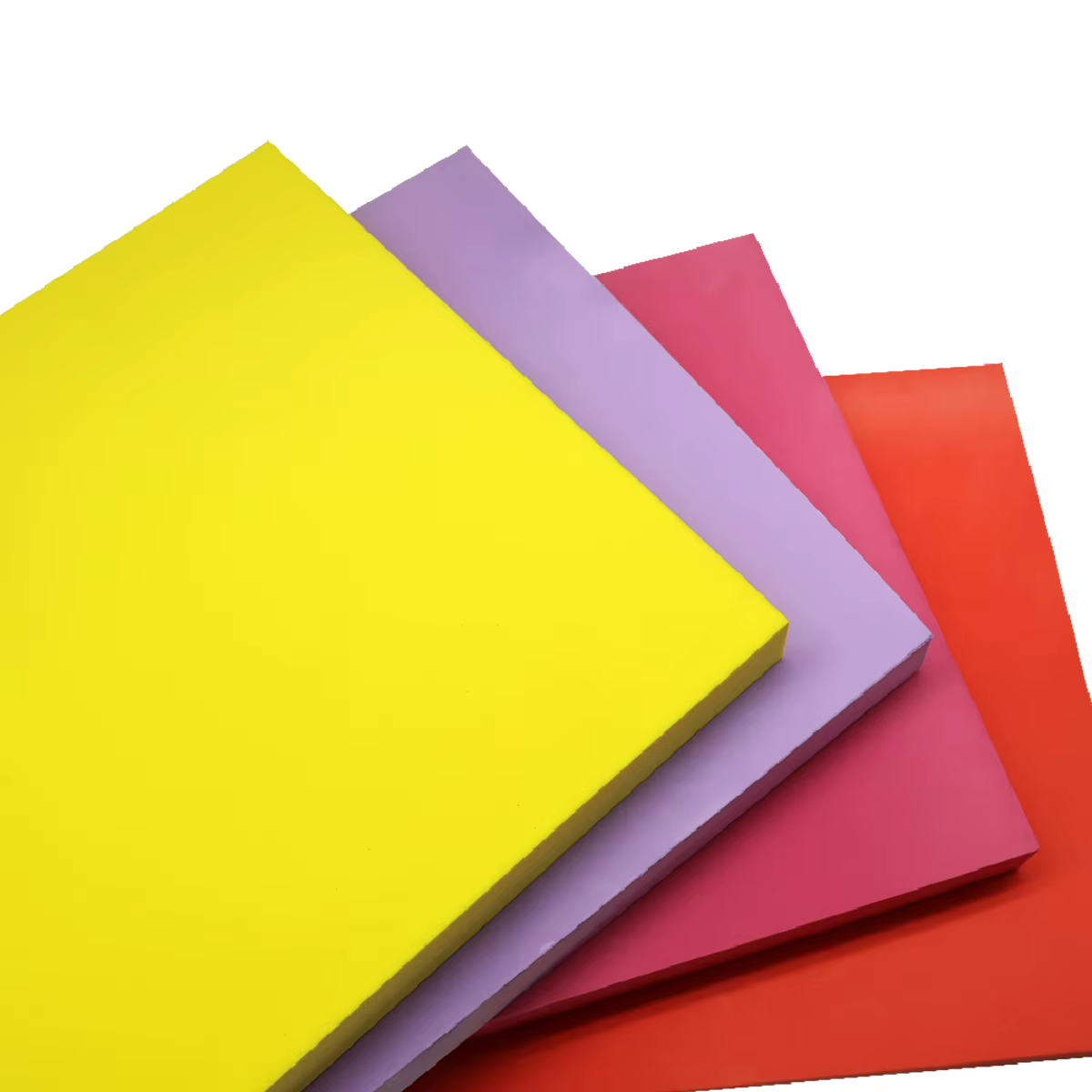
Why Use Silicone Foam in Electronics?
Designing high-performance electronic hardware requires navigating a complex web of engineering hurdles, especially when dealing with microelectronic component density and internal heat generation. As modern devices become progressively smaller, faster, and more powerful, managing internal thermal dissipation and environmental protection becomes an absolute priority. Product designers and electrical engineers constantly evaluate advanced elastomers to safeguard delicate printed circuit boards against severe thermal stress, mechanical vibration, and moisture ingress. Among the broad spectrum of polymer solutions available on the global market, silicone foam has steadily risen to become an indispensable material choice. Evaluating its distinct molecular structure, thermal resilience, and mechanical adaptability reveals why this specialized elastomer dominates high-end electronics manufacturing.
The Polymer Chemistry Behind Thermal Stability
To truly understand why silicone polymers excel in demanding electrical environments, evaluating the underlying chemical architecture is essential. Unlike traditional organic polymers that tend to harden, melt, or chemically degrade under sustained high temperatures, silicone elastomer formulations feature a robust siloxane backbone containing alternating silicon and oxygen atoms. This unique molecular bonding structure maintains exceptional structural integrity and flexibility across a massive thermal spectrum, frequently operating reliably from minus fifty degrees Celsius up to over two hundred degrees Celsius. In high-density power supplies, automotive control units, and advanced LED lighting assemblies, components generate immense operational heat. Silicone foam functions as an efficient thermal buffer and gasket material, actively preventing heat buildup while protecting adjacent sensitive microchips from thermal shock during rapid environmental temperature fluctuations.
Real-World Observations on Vibration Damping
Theoretical chemistry and laboratory metrics always translate directly into the physical realities of field deployment, where mobile, industrial, and aerospace electronics face relentless mechanical forces. Practical observations gathered from managing electronic enclosures in high-vibration settings highlight just how punishing cyclical fatigue can be. A poorly cushioned solder joint or a rigid mounting frame will inevitably fracture under persistent physical shock. High-grade silicone cellular structures offer exceptional compression-set resistance and high elasticity, enabling the material to absorb kinetic shocks and dampen high-frequency vibrations effectively. When compressed firmly between an aluminum housing enclosure and a sensitive circuit board, the material exerts a gentle, consistent sealing force that cushions delicate surface-mount components without placing excessive mechanical stress on fragile solder pads.
Authoritative Dielectric Standards and Sealing Performance
Protecting internal electronic hardware from environmental hazards such as airborne dust, moisture, and corrosive chemical vapors is paramount for preventing catastrophic short circuits. Recognized electrical engineering standards and IP rating protocols demand rigorous testing of dielectric strength and hydrophobic performance. Silicone polymer matrices provide an inherently water-repellent barrier that actively resists moisture absorption and ozone degradation. Furthermore, silicone exhibits outstanding electrical insulation properties, featuring high dielectric strength and low electrical conductivity. Authoritative laboratory evaluations confirm that these specialized foams maintain complete electrical isolation between conductive traces, ensuring that electronic enclosures remain entirely secure even when deployed in humid outdoor installations or harsh marine environments.
Commercial Value and Long-Term Reliability
Beyond technical performance and physical protection, material selection directly influences the commercial investment return for electronics manufacturers. Choosing substandard cushioning or sealing materials to cut initial production costs almost always backfires, as inferior foams suffer from UV degradation, oxidation, and permanent compression flattening over a short timeframe. This degradation leads to compromised seals, moisture ingress, and expensive field failures. Utilizing premium silicone foam ensures long-term operational dependability, protecting companies against unexpected maintenance overheads and component failures. Its superior resistance to aging guarantees that internal gaskets retain their original thickness and elasticity throughout the entire lifecycle of the device.
Global Manufacturing Excellence and Supply Chain Strength
Integrating high-performance polymer solutions into sophisticated electronic hardware ultimately defines the commercial success and market reputation of any modern technology brand. Achieving precise foam compounding, consistent cellular density, and strict dimensional tolerances requires partnering with an established manufacturing entity capable of executing complex molding at scale. Backed by state-of-the-art production facilities and a deeply optimized international supply chain, EVA Foam stands out as a premier global manufacturing force delivering superior polymer solutions worldwide. By leveraging advanced production capabilities and stringent quality control protocols, EVA Foam empowers global tech enterprises with reliable, enduring silicone foam materials designed to withstand demanding environments and elevate electronic manufacturing standards globally.