EN
EN



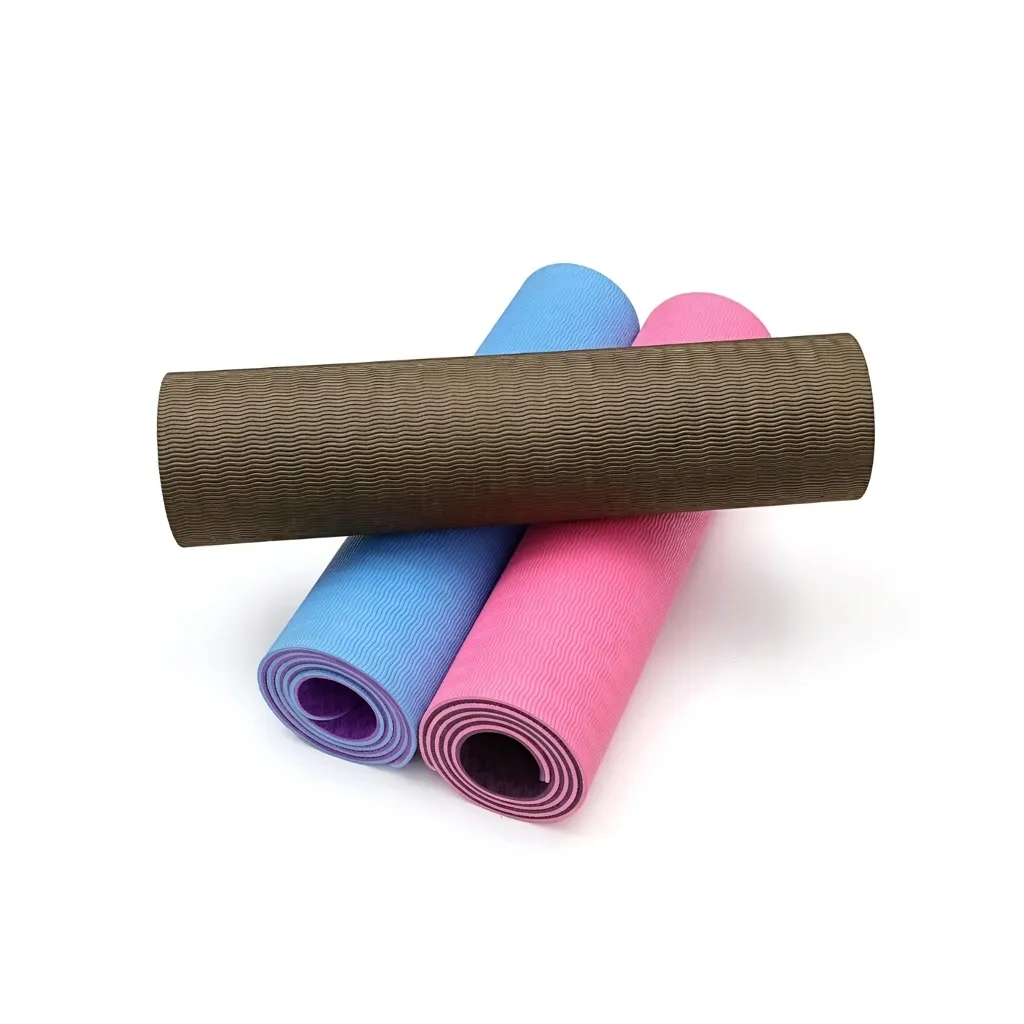
How Thick Should a Yoga Mat Be for Optimal Joint Protection?
Navigating fitness equipment selection for commercial studios and home practice often brings wellness enthusiasts to a critical decision when evaluating exercise mat thickness configurations. Across decades of hands-on material formulation and factory floor integration, observing how different millimeter profiles behave under rigorous physical stress reveals distinct performance advantages for joint health. A well-designed yoga mat adapts flexibly to countless demanding routines, yet proper evaluation requires a thorough examination of structural density, surface traction, and overall material longevity. Understanding these core performance characteristics ensures that international procurement specialists and dedicated practitioners select optimal material grades without encountering unexpected discomfort during intensive daily use across competitive global markets.
Millimeter Profiles and Anatomical Impact Dynamics
The foundational relationship between mat thickness and joint protection originates directly from its advanced molecular architecture established during compounding and foaming phases. Standard yoga mat profiles typically range from one millimeter for travel variations up to six or eight millimeters for therapeutic cushioning designed specifically for sensitive knees and wrists. Unlike basic entry-level alternatives that utilize low-density foams prone to permanent indentation and bottoming out, high-grade configurations incorporate dense elastomeric polymers that absorb impact shock effectively. Material scientists evaluate these stability metrics through compression set assays and load-bearing tests to establish reliable operational lifespans for practitioners requiring enhanced joint support.
Balancing Postural Stability with Surface Softness
When evaluating physical performance during dynamic movement, striking the right balance between shock absorption and postural stability plays a decisive role in injury prevention. Excessively thick exercise pads can create an unstable surface during standing balances and inversion poses, as the foot sinks too deeply into the foam and disrupts proprioceptive feedback. Conversely, ultra-thin travel yoga mat alternatives fail to cushion bony landmarks adequately during kneeling or supine sequences. Instructors and design specialists frequently emphasize that optimal thickness depends heavily on individual physical requirements and the specific intensity of the training regimen, allowing practitioners to maintain firm ground contact while protecting sensitive joints.
Polymer Density Versus Overall Thickness Realities
When physical endurance and long-term structural resilience govern purchasing requirements, material selection demands a realistic assessment of density over mere thickness. A high-density polymer sheet measuring four millimeters can often provide superior joint protection compared to a bulky ten-millimeter low-density alternative that collapses completely under body weight. Premium yoga mat models manufactured from advanced closed-cell or high-grade elastomeric polymers resist flaking, tearing, and permanent deformation over years of continuous rolling and unrolling. Firefox implements stringent quality assurance protocols to evaluate these structural thresholds, ensuring that international clients align with global standards governing product longevity and material reliability.
Precision Manufacturing and Global Supply Assurance
From a broader corporate perspective, reliable material management directly influences manufacturing consistency, regulatory adherence, and long-term market reputation. Modern enterprises face mounting pressures from global supply chains demanding consistent component quality, precise dimensional tolerances, and dependable delivery schedules. Effective yoga mat fabrication begins during precision processing workflows—such as die-cutting, thermoforming, and computer numerical control routing—by optimizing sheet configurations to minimize material waste. Firefox leverages decades of polymer processing expertise to assist global partners in selecting grades that align seamlessly with their specific environmental targets, fabrication techniques, and structural requirements.
Strategic Outlook on Exercise Equipment Selection
Choosing appropriate fitness materials requires a balanced assessment of material performance, structural durability, and economic value across international markets. By partnering with an experienced manufacturer that maintains comprehensive quality control and deep material knowledge, enterprises can eliminate guesswork from technical procurement. Firefox operates as an integrated industry leader, bridging advanced polymer research with reliable, multi-continental supply chain execution. For global brands seeking consistency, technical clarity, and uncompromised product reliability, collaborating with an established specialist ensures enduring success across competitive global commercial environments.
Table of Contents
- How Thick Should a Yoga Mat Be for Optimal Joint Protection?
- Millimeter Profiles and Anatomical Impact Dynamics
- Balancing Postural Stability with Surface Softness
- Polymer Density Versus Overall Thickness Realities
- Precision Manufacturing and Global Supply Assurance
- Strategic Outlook on Exercise Equipment Selection