EN
EN



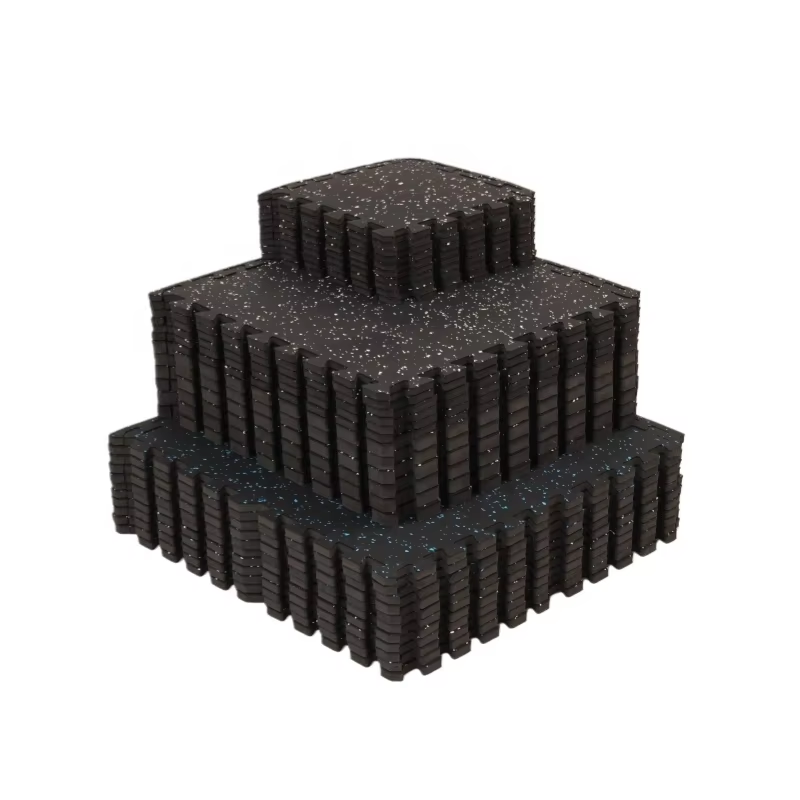
When it comes to protecting industrial floors, commercial gyms, or high-traffic workspaces, the choice of flooring material is a critical decision that impacts both safety and long-term costs. Through our years of experience supplying high-performance surfacing solutions at EVA-Foam, we have consistently observed that a high-quality rubber mat remains the gold standard for heavy-duty applications. This is not merely due to tradition, but rather the unique physical properties of rubber that allow it to withstand mechanical stress that would cause other materials to fail prematurely.
Unmatched Structural Integrity and Impact Absorption
The primary reason a rubber mat is preferred for heavy-duty environments is its exceptional density and tensile strength. In high-impact zones—such as weightlifting areas or assembly lines where heavy components are frequently dropped—the material must act as a shock absorber to protect both the equipment and the subfloor. Unlike lighter foam alternatives, industrial-grade rubber has the mass necessary to dissipate energy efficiently. From a technical standpoint, the Shore hardness and compression set of our heavy-duty rubber products ensure that the surface returns to its original shape even after being subjected to thousands of pounds of pressure. This resilience prevents the "pitting" or permanent indentation often seen in lower-grade materials.
Exceptional Slip Resistance and Workplace Safety
Safety is the cornerstone of any heavy-duty operation, and the natural coefficient of friction provided by a rubber mat is virtually unparalleled. Even when exposed to moisture, oils, or cleaning agents, rubber maintains a high level of traction, which is vital for preventing slip-and-fall accidents in industrial settings. Experts in workplace ergonomics often advocate for rubber surfacing because it offers a "productive yield"—a slight cushioning effect that reduces worker fatigue during long shifts standing on concrete floors. By installing a dedicated rubber mat system, facility managers can create a safer environment that meets rigorous occupational health standards while maintaining a professional appearance.
Resistance to Chemical Exposure and Environmental Stress
In a heavy-duty context, a rubber mat must often survive more than just physical weight; it must withstand chemical aggression. Our specialized rubber formulations are engineered to resist degradation from common industrial substances, including grease, detergents, and certain solvents. This chemical stability ensures that the rubber mat does not become brittle or "gummy" over time. Furthermore, for outdoor or semi-outdoor applications, high-grade rubber provides excellent UV resistance and remains flexible in sub-zero temperatures. This "all-weather" capability makes it the most reliable choice for loading docks and outdoor walkways where environmental factors would degrade standard flooring.
Long-Term Cost Efficiency and Durability
While the initial investment in a professional rubber mat may be higher than thinner foam mats, the total cost of ownership is significantly lower. In a heavy-duty environment, durability is the most important metric for ROI. A high-density rubber mat is designed to last for a decade or more under intense use, whereas lighter materials might require replacement every 12 to 24 months. Our clients in the logistics and manufacturing sectors frequently report that switching to reinforced rubber flooring has eliminated the recurring costs associated with floor repairs and frequent mat replacements. This longevity is a testament to the vulcanization process, which creates a cross-linked molecular structure that is inherently resistant to tearing and abrasion.
Ease of Installation and Modular Versatility
Modern manufacturing techniques have allowed for the creation of modular rubber mat systems that offer incredible flexibility for large-scale facilities. Whether you require interlocking tiles for a custom gym layout or large rolls for a warehouse aisle, the heavy-duty nature of the material ensures that once laid, the mats stay in place due to their own weight. This eliminates the need for messy adhesives in many cases, allowing for easy maintenance or reconfiguration of the workspace. By choosing a rubber mat solution that aligns with your specific square footage, you ensure a seamless, professional finish that enhances the overall workflow of your heavy-duty operation.
Conclusion on Heavy-Duty Surfacing Solutions
In conclusion, the physical and chemical properties of rubber make it the undisputed leader for demanding environments. A professional rubber mat provides the necessary impact protection, slip resistance, and chemical durability to keep a facility running smoothly and safely. For any business prioritizing safety and long-term value, investing in high-density rubber is a strategic decision that pays dividends in reduced maintenance and improved operational security. Whether for a home garage or a massive industrial plant, the heavy-duty performance of rubber remains the industry benchmark.